


How I Plot?

Updated: Aug 15

A few weeks ago, I met an aspiring writer who asked, “Do you plot your stories out so you know where you going or do you wing it and see where it takes you?” she asked. “I’ve heard both can work.”
My answer was, “Of course both can work. I know writers who succeed using either method.”
The young lady persisted, “But what about you?”
I explained, “Basically , I’m part plotter and part pantser.”
For my Haunted Shores Mysteries, I do an extensive amount of research and advanced plotting. First, once I’ve chosen the location to set the story in, I research the town, absorbing the culture and language of the area as well as learning about the favorite sights and activities that makes the resort memorable. Next, I identify and research the social issue I’ll intertwine with the murder, for example, racial injustice for BLOOD ON THE CHEASAPEAKE, human trafficking for CRIMSON AT CAPE MAY and MMIW (Missing and Murdered Indigenous Women) for RED SHADOWS AT SAUGATUCK.

For the integrity of the narrative, I need these issues to develop organically from the locations and represent actual murders which have taken place there. For example, the cold case murder in BLOOD ON THE CHESAPEAKE, Darrell discovers is a lynching that occurred on the Easten Shore some 30+ years earlier and was covered up. To make this authentic, I researched two historical lynchings that occurred nearby so I could develop a story that mirrored the events surrounding the actual lynchings.
After the prep and the research, I move into my pantser mode. As I write the mystery, I let the narrative develop naturally, interweaving the elements of the resort town within the tale and dropping clues and red herrings along with details about the location. An example of this organic development in RED SHADOWS AT SAUGATUCK came during my research phase. In my travels, I’d noticed “Missing Person” flyers in a gas station/convenience store. When I read the tragic details of the missing teens, I thought it might be a good way to initiate my mystery, except I chose to have my five-

year-old (Leo, the protagonist’s son who’s learning to read) encounter the flyer.
Here’s another example of my pantser mode. Some mystery writers start with the ending (the guilty suspect) and work backwards to plot the story. My approach is to create several viable suspects who could be the murderer as the story unfolds and deliberately not make a final decision on the murderer until about three-fourths of the way. Up to that point in the narrative, I haven’t decided myself and I want to keep myself guessing the same as my readers. I make sure that I’ve dropped clues that would lead any of my suspects being guilty but save the best hint for the real murderer.
This combination of plotting first and then pantsing to create the story seems to work for me as these novels have earned a dozen national awards, earned hundreds of 5-star reviews on Amazon and Goodreads and generated two bestsellers already. Right now, the series is closing in on 10,000 copies sold.
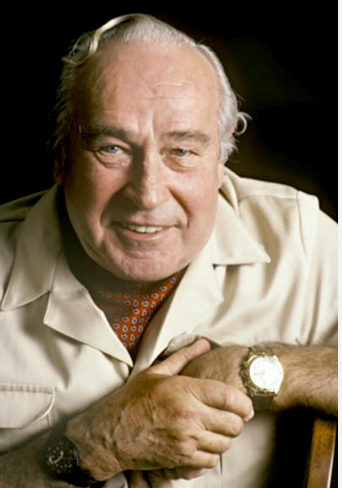
In the words of the famous thriller writer, Robert Ludlum, I think I’m probably “a pantser caught in a plotter’s body.”


Really enjoyed this post because it feels so honest and relatable. A lot of us think creativity has to be either fully planned or completely spontaneous, but your “part plotter, part pantser” approach makes so much sense. I especially liked how you explained doing deep research first and then letting the story breathe while writing—it shows that structure and freedom can actually work together instead of against each other. That balance is something many students, writers, and even professionals can connect with, because sometimes the best ideas come after the planning is done. It’s similar to how people look for support without wanting to lose their own voice, which is why services like Pay for Assignments Online often appeal to…
I really liked how you broke down the plotting process into manageable steps, especially your point about letting characters’ decisions drive the story rather than forcing them into a rigid plan. It makes me wonder how much flexibility in structure actually leads to more authentic narratives, and whether that approach could apply outside of writing too. For instance, when tackling complex projects or essays, using something like Assignment Help in Leeds can provide a flexible framework without dictating every move, letting the creator’s own ideas shine through. Have you found that giving yourself that breathing room in plotting ever leads to unexpected but better outcomes?