


A FEW COLONIAL SUPERSTITIONS

With all the research I’ve been doing on the American Revolution for my new novel ABIGAIL TRENCH—and the second entry in the series which I just submitted to my agent—I thought it might be interesting to look at some of the superstitions and beliefs those colonists held. Besides, we are deep into October and Halloween is hurtling toward us which makes it the perfect time for this superstitious research.
First of all, colonists in America in the late 18th century did not celebrate Halloween, though, a little later, some would recognize “All Hallowed Eve” on October 31st when they would honor their dead and share ghost stories. But the customs of jack o’ lanterns, trick-or-treating and dressing up in costumes started much later.
However, this time of year, late October and end of the harvest season, brought out its own share of interesting superstitions for the colonists in America. Here are a few examples.

Several of their superstitions had to do with romance and marriage. One was called Apple Paring. A hopeful young woman would pare a fresh apple in one continuous peel and, when finished, toss the peel over her shoulder. She would then examine the shape of the curled peel and, whatever letter it resembled, that was the first letter of the man’s name she was to wed.
My guess is there were quite a number of men’s names starting with C, J or S.

Another custom of romantic forecasting, this one imported from Scotland to some of the colonies, was the called the Nut Crack Night. A couple would gather round a fire with a pair nuts they had harvested and pitch them into the fire. According to the superstition, if the nuts burned quietly in the fire, it was a sign of love, affection and a long relationship. If however one or both nuts cracked or jumped away from the fire, it foretold trouble or separation for the pair.
I wonder how many couples knew a hazelnut was a safer bet than a chestnut?
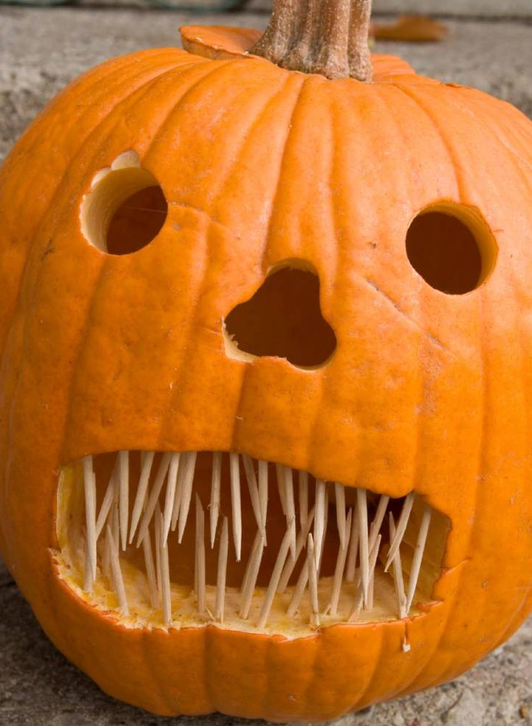
While they didn’t carve pumpkins into jack o’ lanterns, they had a practice that was pretty close. Colonists would choose a particularly disfigured gourd and carve an ugly face into it and then place a candle inside. It was set just outside their house and was thought to scare away roaming demons.
Sounds an awful lot like our jack o’ lanterns, except ours are lighted to welcome trick-or-treaters, not banish them.
Colonists also held the belief that to protect their home they needed to walk around the house backwards and counterclockwise before sunset on, you guessed it, October 31st. I’m sure that must has been a sight, watching all these men clumping in reverse around one house after another, all right before sunset on Halloween.
In some colonies, locals would gather together for what they called Autumn Play Parties, where they would tell ghost stories. Belief on witchcraft, the devil and unexplained supernatural events like ghosts was very real in the colonies, especially those with Puritan roots. In the 1780’s, storytellers would lace their chilling ghost stories with the recent horrors of the Revolutionary War, making them more real and way scarier.

In fact, Washington Irving—who is the featured storyteller in this month’s episode of my podcast, Great Stories about Great Storytellers—drew on this tradition for his most famous work, “The Legend Of Sleepy Hollow.” In his story, the ghost is a headless Hessian soldier killed during the war and bent on avenging his death, riding wildly through the countryside attacking anyone who crossed his path.
It is a great tale but I suspect those who fought the German mercenary soldiers found the tale a little too close to reality.
So much was worrisome both during the war and after, colonists had to deal with the uncertainties of a new world, a divided population and sometimes hostile natives, it is little wonder they turned to superstition.


Comments